
Discovering the Magic of Phu Chi Fa
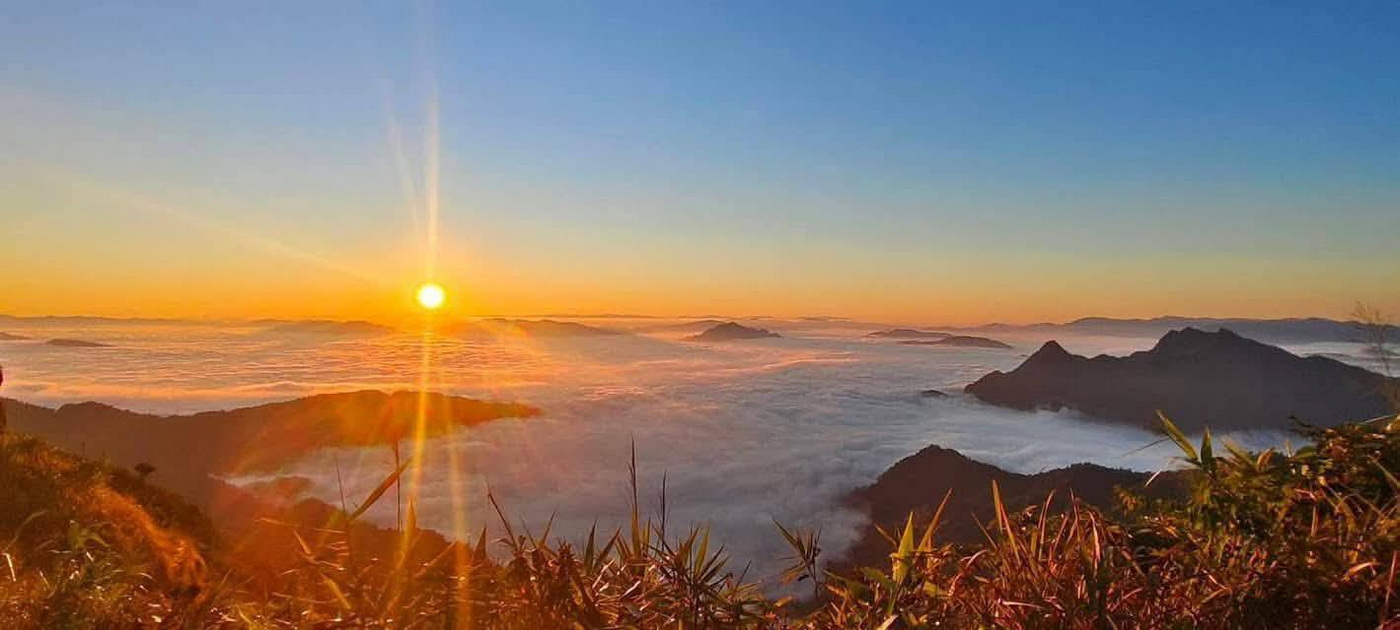
Experience the breathtaking sea of mist at Phu Chi Fa! Discover the best views, hiking tips, and local guides for an unforgettable trip.
✨ The Crown Jewel of Northern Thailand’s Natural Wonders
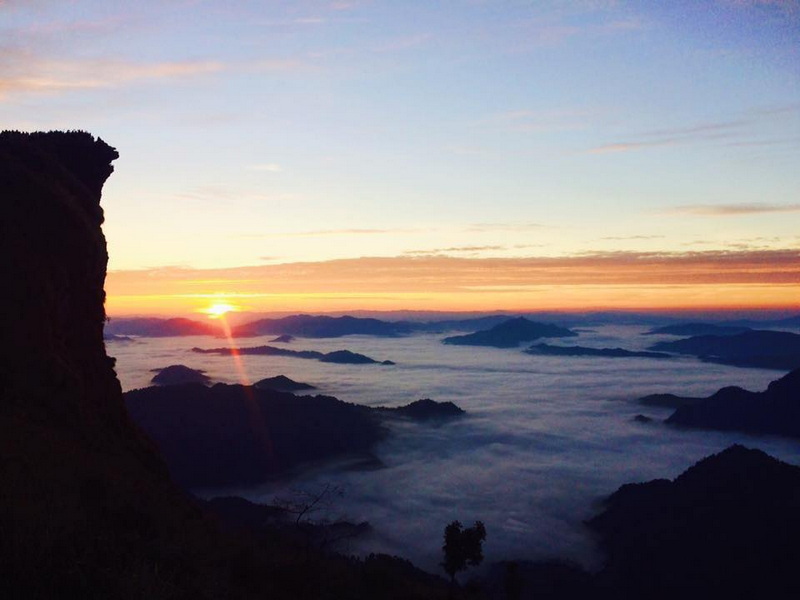
When travelers begin mapping out their journey through the rugged and mountainous landscapes of northern Thailand, their compass inevitably points toward the spectacular eastern border. Among the towering peaks and deep valleys that define this region, Phu Chi Fa stands out as an unparalleled masterpiece of natural architecture. Translating directly to the mountain that points to the sky, this iconic destination offers a breathtaking experience that resonates deeply with anyone who makes the ascent. For years, this remarkable cliff has been universally recognized as a Must Visit in Chiang Rai, drawing dedicated adventurers, landscape photographers, and nature lovers from across the globe. Standing on the precipice of this magnificent summit as the dawn breaks is an ethereal experience. The sheer drop into the verdant valleys below, combined with the rolling ocean of mist that fills the massive basin between Thailand and Laos, creates a visual symphony that words can barely capture. It is not simply a high-altitude viewpoint; it is a profound emotional encounter with the raw, untamed beauty of the world that leaves a lasting imprint on the soul of every traveler.
🗺️ Topography and Climate: A Natural Fortress on the Border
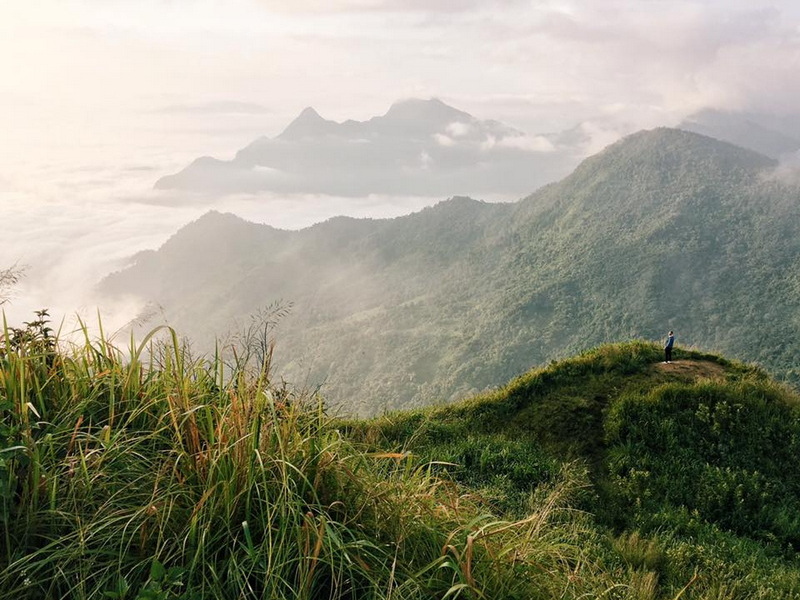
The geological formation of Phu Chi Fa is a fascinating subject that adds significantly to its mystical allure. The dramatic, finger-like projection of limestone and sandstone has been meticulously carved by millennia of harsh winds, heavy monsoon rains, and ancient tectonic shifts. This unique topography creates a natural balcony that juts out daringly over the borderlands at an elevation of approximately 1,628 meters above sea level. During the frigid winter months, stretching from November to February, the plunging temperatures cause the moisture rising from the deep valleys to condense into a thick, cotton-like fog that completely blankets the lower elevations. Temperatures during this peak season can regularly drop to a chilling five to ten degrees Celsius, occasionally resulting in the formation of beautiful morning frost on the alpine grasses. When the summer months arrive from March to May, the mountain retains a pleasantly cool and breezy atmosphere, offering a perfect escape from the scorching heat of the lowlands. The rainy season, running from June to October, transforms the landscape into a vibrant, lush paradise, where the dense greenery thrives and the sea of mist appears frequently after heavy afternoon downpours, offering a quieter but equally stunning experience.
🌳 Flora and Fauna: Life on the High Peaks
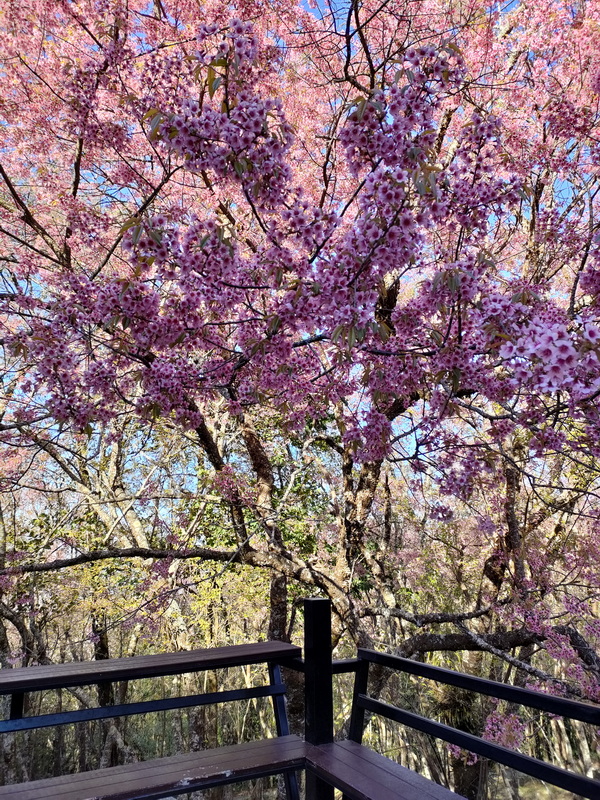
The changing altitudes along the journey to the summit present a fascinating shift in biodiversity. At the lower and middle elevations, deciduous dipterocarp and mixed forests dominate the terrain, shedding their leaves during the dry season. However, as the elevation surpasses the one-thousand-meter mark, the environment dramatically shifts into a rich, evergreen hill forest. Here, the air is constantly thick with moisture, allowing ancient ferns, intricate mosses, and wild orchids to thrive on the bark of towering trees. As you approach the wind-swept summit, large trees entirely disappear, replaced by resilient alpine grasses and low-lying shrubs perfectly adapted to the harsh, exposed conditions. A major botanical highlight that visitors eagerly anticipate is the blooming of the White Orchid Tree, which paints the mountain slopes in delicate shades of white and pink from February to March. Furthermore, the early winter months bring the spectacular blossoming of the Wild Himalayan Cherry, beautifully lining the mountain roads. While large wildlife is scarce, the area is a haven for high-altitude bird species like sunbirds and bulbuls, whose melodic calls echo through the dawn air, alongside small mammals like tree shrews and vibrant mountain butterflies that bring the misty forest to life.
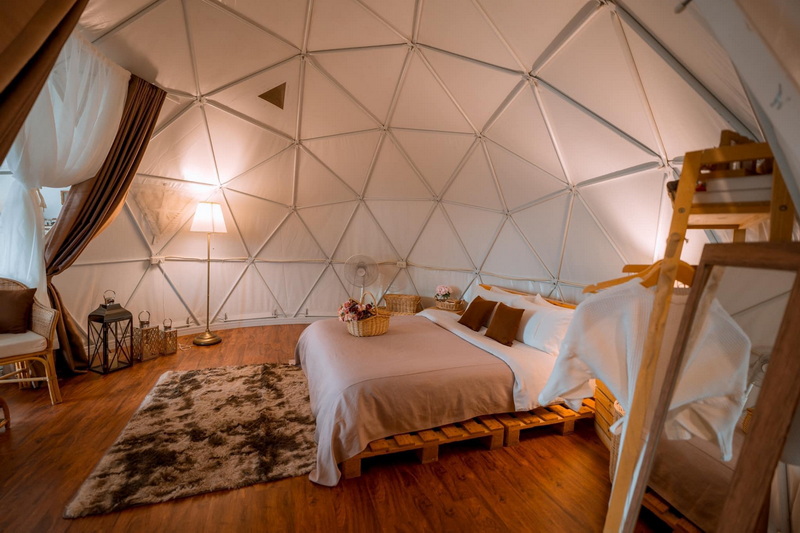
🏕️ Accommodation Options: Sleeping Under the Stars and Mist
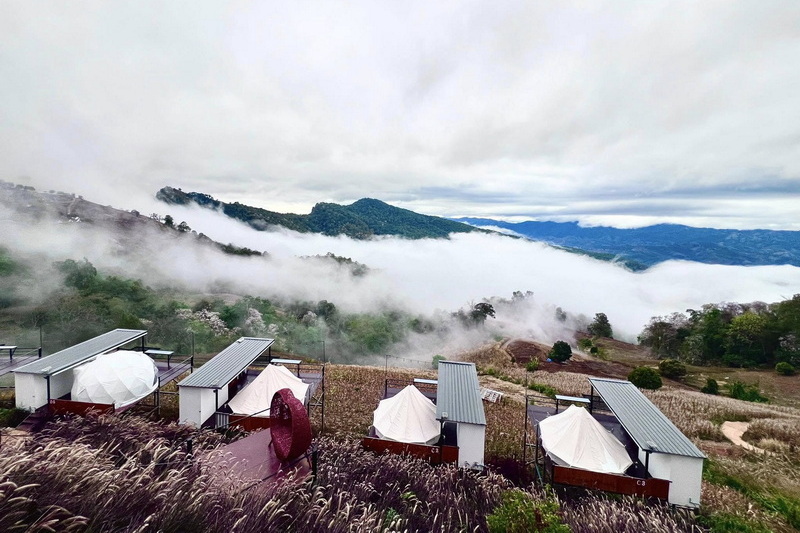
Choosing the right place to stay is a crucial part of the Phu Chi Fah experience, seamlessly blending comfort with the raw beauty of the environment. The accommodation landscape here is primarily centered around Ban Rom Fa Thai and Ban Rom Fa Thong, the two main villages nestled at the base of the mountain. Visitors can choose from a variety of cozy resorts and community-run homestays that cater to different budgets and preferences. These lodgings typically offer essential amenities, with heated showers being highly sought after during the freezing winter nights. Staying in these villages not only provides easy access to local restaurants serving hot meals but also ensures you are perfectly positioned for the early morning trek. For those seeking a deeper connection with nature, camping is an incredibly popular alternative. The national forest park visitor center provides a designated, secure camping ground equipped with basic restroom facilities and parking. Setting up a tent on the mountainside allows travelers to sleep under a brilliant, unpolluted canopy of stars, waking up to the crisp mountain breeze and the absolute silence of the wilderness before the crowds arrive.
🚗 Transportation and Local Shuttle Regulations
Navigating the route to this remote eastern edge of the province is an adventure that requires careful planning and cautious driving. The journey from the main city center involves twisting, mountainous roads that continuously ascend into the highlands, which can be quite intimidating for unaccustomed drivers. For travelers seeking a highly customized, safe, and stress-free journey, booking a Chiang Rai Private Tour is an exceptionally wise decision. Having a professional driver who is deeply familiar with the steep inclines and blind corners allows you to relax and fully absorb the transitioning scenery. However, regardless of how you arrive at the base, strict local regulations are enforced to protect the environment and ensure visitor safety. During the peak tourism season, private vehicles are strictly prohibited from driving all the way up to the final trailhead. The narrow, steep roads and limited parking at the top make it impossible to accommodate the high volume of traffic. Instead, visitors are required to park their vehicles in the designated community lots in the villages below. From there, you must utilize the local transport network, consisting of rugged pickup trucks driven by highly skilled villagers who know every inch of the mountain.
🎟️ Entrance Fees and Community Contributions
One of the most appealing aspects of visiting this breathtaking natural wonder is its accessibility. Currently, the local authorities do not charge a formal national park entrance fee for visitors to access the main trails and viewpoints of Phu Chi Fa forest park. This open-access policy makes it an incredibly welcoming destination for travelers of all budgets. However, while there is no official ticket required, there are minor costs associated with the local logistics that are entirely reasonable and serve a greater purpose. The mandatory shuttle ride provided by the local community enterprise costs approximately thirty to sixty Thai Baht per person for a round trip. If you are traveling with a larger group, you have the option to charter an entire pickup truck for around three hundred to five hundred Thai Baht. Additionally, parking your private vehicle in the secure village lots will incur a small fee of about forty to fifty Thai Baht. These modest payments are far more than just transportation costs; they are vital contributions to the local economy. By utilizing these services, visitors directly support the livelihoods of the ethnic hill tribe communities, empowering them to maintain the area sustainably and act as the long-term custodians of this majestic landscape.
🥾 Highlights Not to Be Missed: The Summit and Surrounding Viewpoints
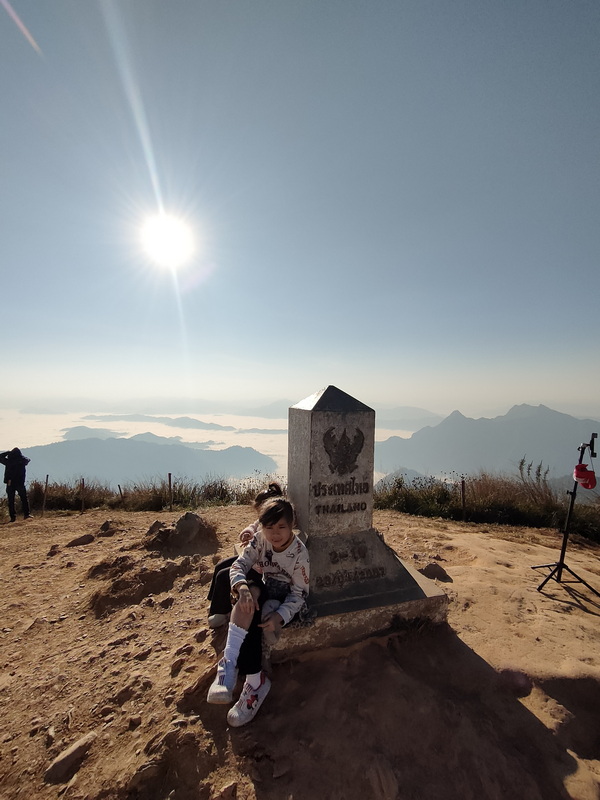
The ultimate highlight of the journey is, undoubtedly, the ascent to the peak of Phu Chi Fah itself. After the thrilling, freezing shuttle ride through the dark, visitors face a final hike of approximately seven hundred and fifty meters to reach the summit. Walking along the steep, grassy trail with only a flashlight guiding the way builds an incredible sense of anticipation. Reaching the peak just as the sun breaches the horizon, casting golden light over the endless sea of mist and highlighting the iconic upward-pointing cliff, is a moment of pure, cinematic magic. Yet, the wonders of this region extend far beyond a single cliff. A comprehensive itinerary should absolutely include a visit to Phu Chi Dao, located just a short distance away. Accessible only by local four-wheel-drive vehicles followed by a steep ridge hike, Phu Chi Dao offers a breathtaking three-hundred-and-sixty-degree panoramic viewpoint. Standing on its sharp, star-reaching peak allows you to look back at Phu Chi Fa from an elevated, unobstructed angle.
Just slightly further along the mountain range lies Phu Chi Duean, the newest addition to the area’s viewpoints. This location features a broad, expansive ridge that runs parallel to the national border, making it a highly recommended, peaceful spot for those who wish to camp away from the larger crowds and enjoy sweeping vistas of the complex, overlapping mountain ranges. For travelers with a bit more time, a drive twenty-four kilometers north brings you to Doi Pha Tang. This completely different geological landscape is famous for Pha Bong, a massive natural rock gate that acts as a window into the Laotian wilderness. Doi Pha Tang also offers unique high-angle viewpoints where the mighty Mekong River can be seen winding its way through the dense forests below. Finally, completing the experience requires immersing oneself in the culture of Ban Rom Fa Thong and Ban Rom Fa Thai. These basecamp villages offer a chance to interact with the welcoming hill tribe locals, purchase fresh winter produce, admire intricate hand-embroidered textiles, and end the day with a steaming hot local pork barbecue. Exploring these surrounding peaks and communities transforms a simple sightseeing trip into one of the most comprehensive and rewarding Chiang Rai Tour Packages available, cementing the region as a true paradise for explorers.