
Wat Lok Moli: Grand Chedi & Calm Vibes
Discover Wat Lok Moli in Chiang Mai—step into Lanna calm, admire the grand brick chedi, and capture lantern-lit magic in season.
🏛️ Introduction: A Lanna Landmark by the Old City Moat
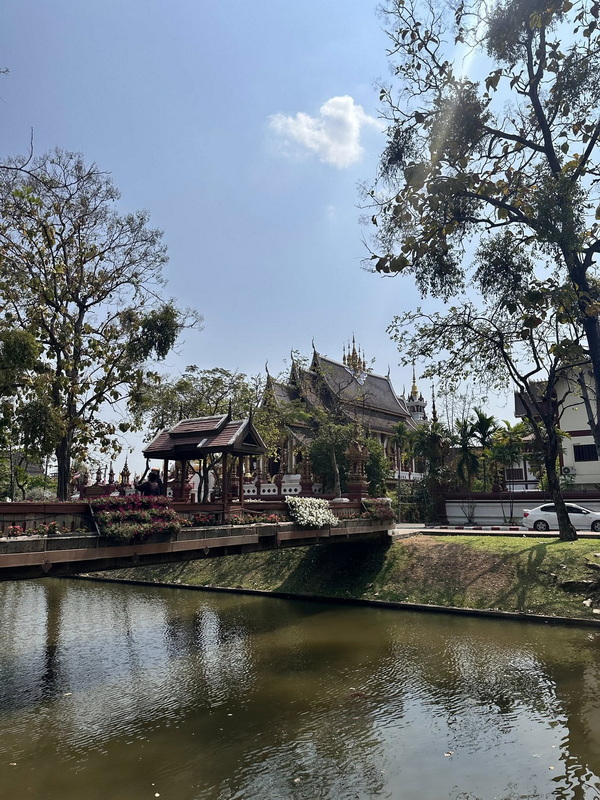
Just beyond the northern edge of Chiang Mai’s Old City moat, Wat Lok Moli quietly holds its ground as a temple that feels both deeply historic and pleasantly unhurried. The location is ideal for travelers who want something authentic without the constant swirl of large tour groups—close enough to walk from Chang Phueak Gate, yet calm enough to hear your own footsteps as you cross into the compound. For many visitors, the first sensation is contrast: outside, Chiang Mai moves at a steady urban pace; inside, time seems to soften. This is one of those Attraction Temples in Chiang Mai that rewards a slower visit, not because it is packed with “must-see” checklists, but because its beauty comes from texture—aged brick, warm wood, and the quiet rhythm of devotion that still lives here every day.
🧭 How to Get There: Easy Access, Big Payoff
Reaching Wat Lok Moli is refreshingly simple, especially if you’re staying in or near the Old City. From the moat, you can walk, cycle, or take a quick songthaew (red truck) ride—most drivers recognize the temple’s name, and the trip is short from popular areas like Tha Phae Gate, Nimman, or the Night Bazaar. If you come by tuk-tuk, it’s worth asking to be dropped near the entrance along Maneenopparat Road, then strolling in on foot so you can appreciate the transition from street to sanctuary. For self-drivers, parking can be limited around the temple perimeter, particularly during festival evenings, so arriving earlier in the day keeps things stress-free. Many travelers pair a visit here with Chiang Mai day tours, but the temple also works beautifully as a standalone stop—an easy, rewarding detour that doesn’t demand an entire morning.
🧱 The Grand Chedi: A Monument of Brick, Time, and Memory
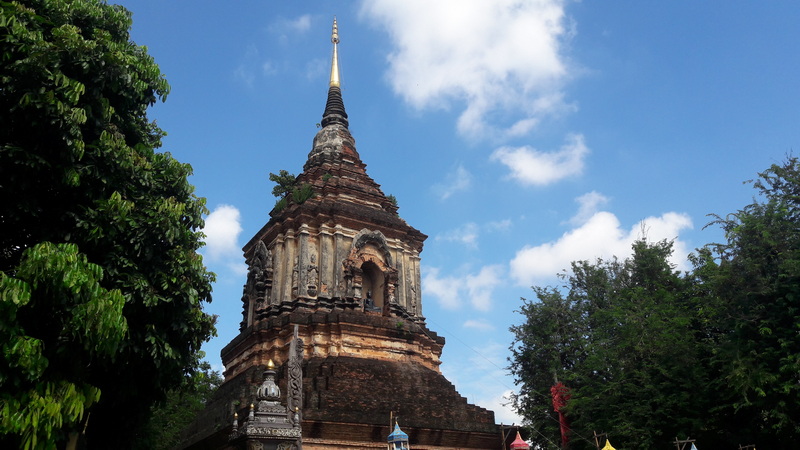
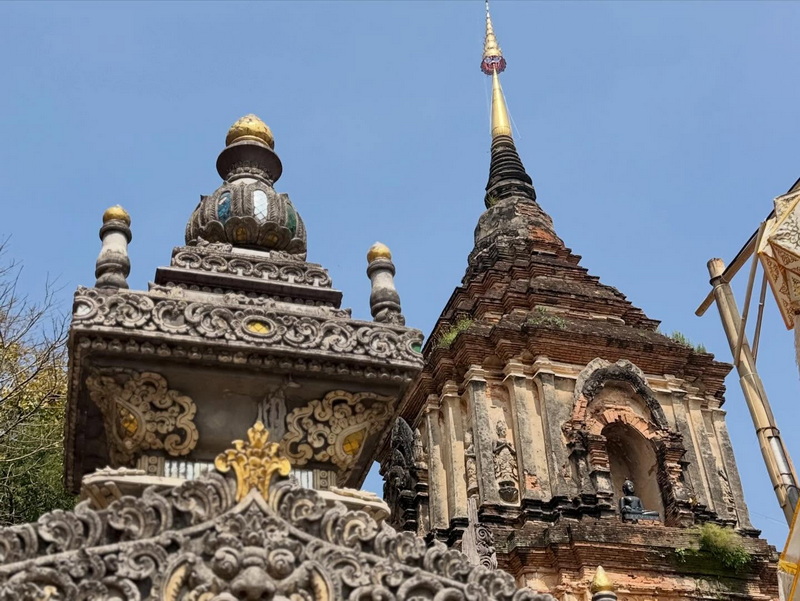
The most iconic structure at Lok Moli Temple is the massive brick chedi at the back of the compound—an imposing Lanna-style stupa that immediately signals the temple’s age and importance. Its surface, often left with a raw, timeworn character rather than a polished, freshly plastered finish, gives the whole place a striking sense of authenticity. Walk closer and the scale becomes even more impressive: the chedi rises with a weighty confidence, anchoring the grounds like a historical punctuation mark. This is the kind of structure that looks different every hour—early morning light makes the brick feel gentle and earthy, while late-afternoon shadows carve deep lines that emphasize depth and form. If you enjoy architectural photography, this is your moment: step back for the full silhouette, then circle slowly to catch details and angles that reveal the chedi’s layered Lanna geometry.
🪵 The Viharn: Teak Warmth, Lanna Craft, and a Sacred Stillness
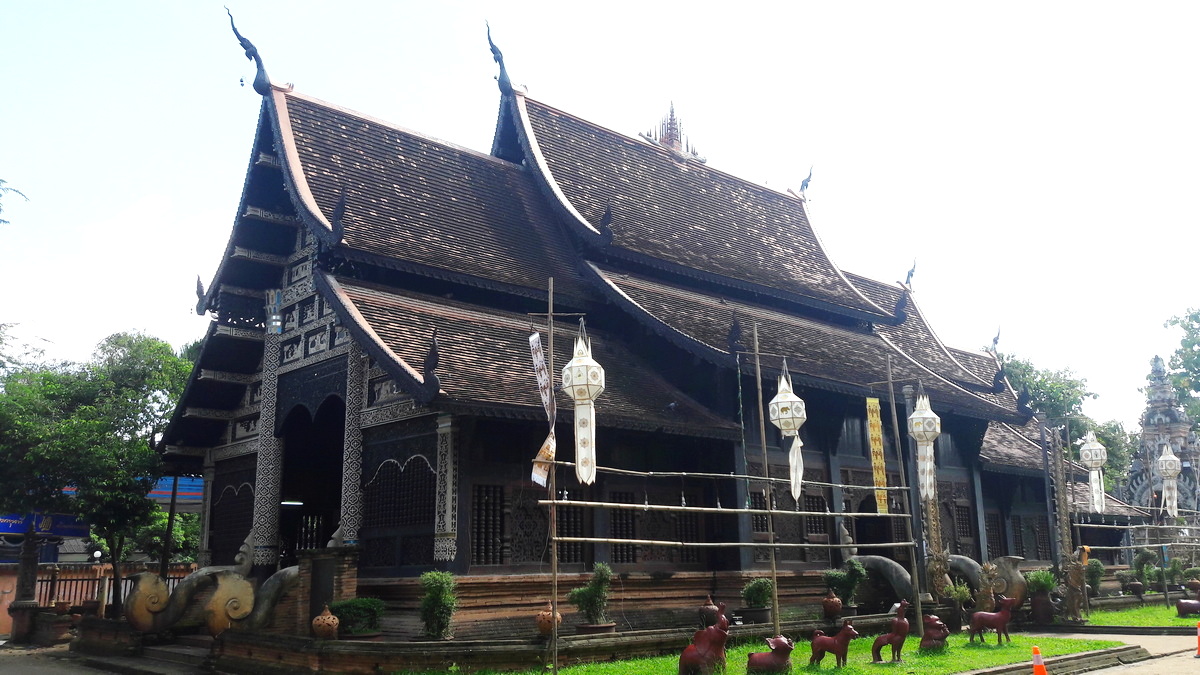
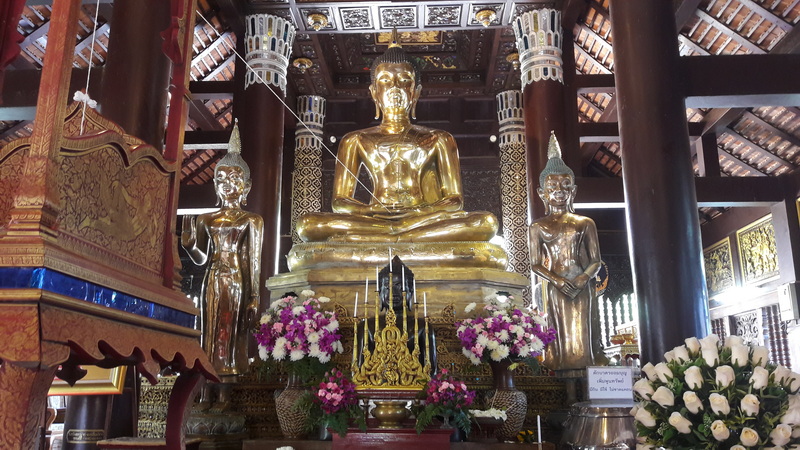
In front of the chedi stands the main viharn (assembly hall), celebrated for its wooden character and Lanna craftsmanship. The atmosphere inside is often hushed, not because the temple feels empty, but because the space naturally encourages respect and quiet attention. Wooden pillars, carved accents, and the warm tone of teak create a grounded elegance—less about glitter, more about mastery. Visitors who rush in for a quick photo tend to miss what makes this hall special: the subtle patterns, the handworked surfaces, the sense that each element was designed to harmonize rather than compete for attention. At the heart of the viharn, the principal Buddha image draws worshippers to pause, offer a wai, and collect their thoughts. It’s a serene focal point, especially when the interior lighting is dim and soft, making the gold tones and sacred presence feel even more pronounced.
✨ Highlights & Atmosphere: What Makes the Temple Feel “Different”
What many people love most about Wat Lok Moli is the emotional pacing of the visit. You can arrive with a busy mind and still find space to breathe—there are corners where the sounds of the city fade into a gentle hush, and moments when the air feels cooler under shade. The temple grounds are not overly complicated, which is part of the charm: it’s easy to understand the layout, easy to wander, and easy to linger without feeling like you are blocking someone else’s experience. During quieter hours, you may see locals paying respects or leaving small offerings; these ordinary acts of devotion give the temple a living warmth that can’t be manufactured. If you’re seeking an experience that feels rooted—less like an attraction, more like a place with dignity—this temple delivers that feeling naturally.
🏮 Lanterns and “Tung” Flags: Yi Peng Beauty and the Meaning of Light
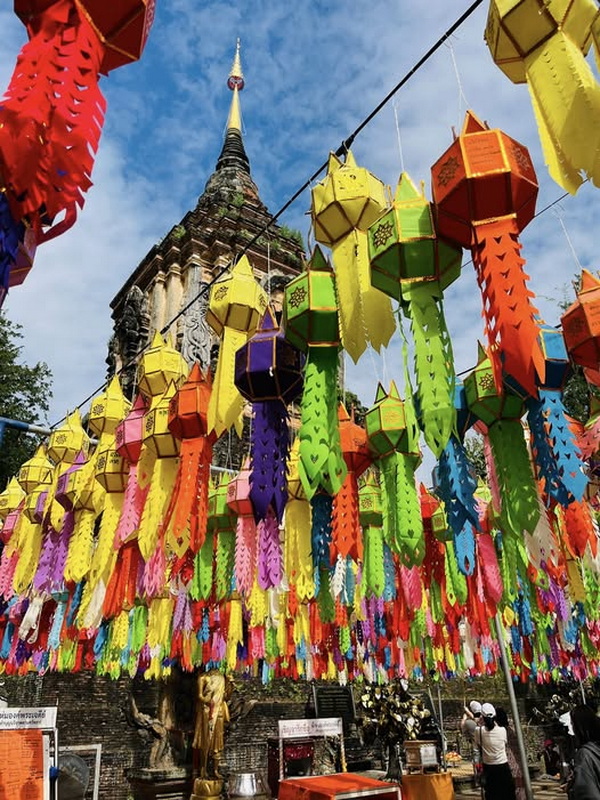
At certain times of year, especially around Yi Peng season, the temple becomes visually enchanting as lanterns and Lanna “tung” flags appear in abundance. Even outside major festivals, you may still notice decorative elements that hint at northern traditions, but when the lanterns multiply, the entire compound feels like a gentle sea of color and intention. In local belief, offering light is more than decoration—it’s a symbolic gesture of reverence and a wish for clarity, brightness, and auspicious direction in life. This is why many visitors feel that the lantern atmosphere is not simply “pretty,” but emotionally resonant. If you visit during a festival evening, arrive before sunset so you can see the transition: first, warm daylight across wood and brick; then, as dusk settles, lantern light reshapes the space into something softer and almost dreamlike.
🪷 Worship Points and Devotional Corners: A Blend of Faith Traditions
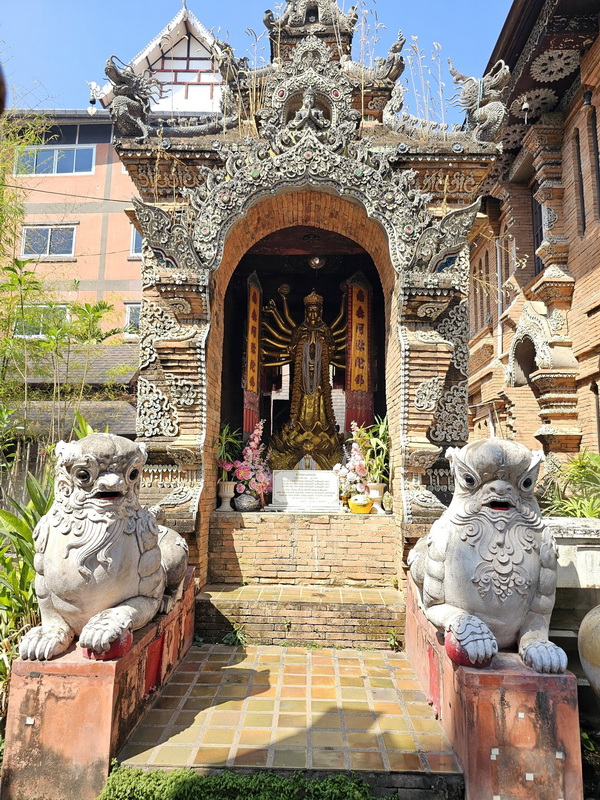
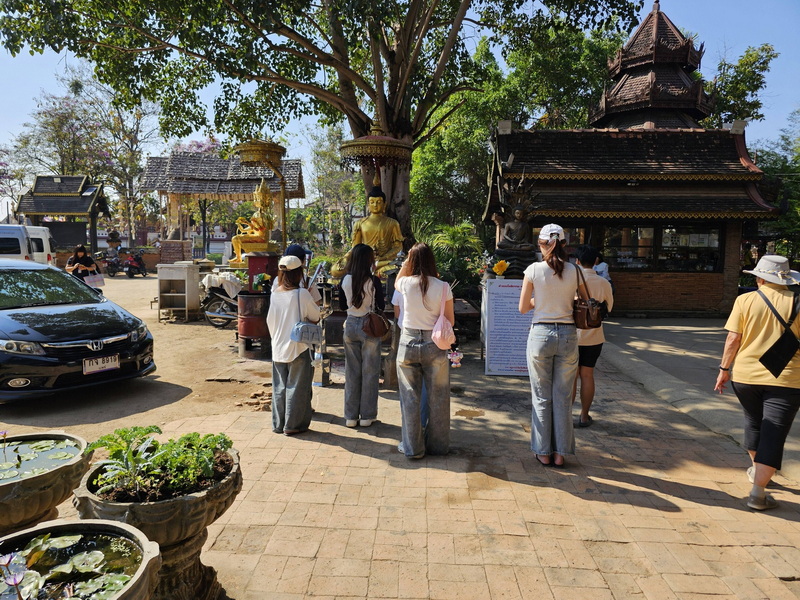
Another striking feature is how the temple reflects the layered spiritual landscape of Thailand, where Buddhist devotion can coexist alongside revered figures associated with protection, compassion, and success. As you walk, you may encounter multiple points of reverence that feel distinct in mood and purpose—some intimate, some more ceremonial. Rather than treating these as “photo stops,” it’s best to approach them as living expressions of belief: pause, read any signage, follow local etiquette, and keep your tone gentle. If you’re the type of traveler who enjoys learning cultural context, this temple becomes especially meaningful because it doesn’t present spirituality as a single story. Instead, it offers a quiet lesson in how traditions overlap in real life—through place, practice, and daily rituals that still matter to people who live here.
🧩 Best Time to Visit, Practical Tips, Dress Code, and Costs
For the most comfortable visit, mornings are ideal: the air is cooler, the lighting is flattering for both wood interiors and brick architecture, and the temple tends to feel the most peaceful. Late afternoon can also be beautiful for photography, especially around the chedi, where shadows add drama and texture. Dress modestly—covered shoulders and longer bottoms are best—and remove shoes before entering the viharn. Keep voices low, especially if others are praying or meditating. Entrance is generally free, though donations are welcomed and help support upkeep. If your itinerary includes guided experiences such as Chiang Mai Tour Packages, this temple fits well as a cultural stop that feels intimate and photogenic, yet still respectful and grounded. Ultimately, the best tip is simple: don’t rush—this temple’s magic is in the details and the calm.
If you want a Chiang Mai temple experience that feels timeless rather than crowded, Wat Lok Moli is a beautiful choice. Between the warm Lanna woodwork of the viharn and the monumental brick chedi behind it, the temple offers a rare mix of serenity, history, and visual drama. Come slowly, look closely, and you’ll leave with more than photos—you’ll leave with a feeling.
Nearby Attractions
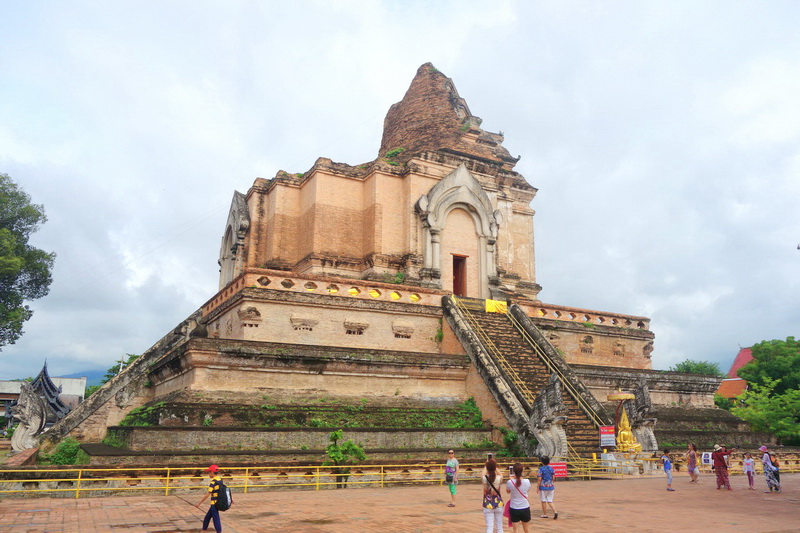
Wat Chedi Luang offers a powerful contrast to Wat Lok Moli—larger crowds, bigger scale, and a dramatic ruined chedi in the Old City’s heart. It’s excellent for travelers who want to compare different eras of Lanna architecture and feel the energy of Chiang Mai’s most iconic sacred core.

Chiang Mai City Arts and Cultural Centre
For a deeper historical lens, the Chiang Mai City Arts and Cultural Centre provides context about Lanna identity, local traditions, and the city’s development. It’s a great pairing after temple visits, helping you understand what you’ve seen—architecture, festivals, and belief systems—through curated stories and exhibits.